
Strong economies are built on strong talent pipelines. Those pipelines do not begin at hiring events or job postings. They begin years earlier, in classrooms where students are forming skills, expectations, and beliefs about work, contribution, and opportunity.
Regimus works at the intersection of education, workforce systems, and industry to help communities move from fragmented efforts to aligned, sustainable talent development.
“Sustainable talent pipelines are built through long-term collaboration, not last-minute hiring. When schools and employers align early, students graduate with the skills, awareness, and confidence needed to step into the workforce prepared.”
— LeaVonda Robinson, Founder & Principal Consultant, Regimus
A Shared Challenge Across Education, Workforce, and Industry
Chambers of commerce, workforce boards, and employers are facing the same underlying issue from different angles:
-
Employers struggle to find prepared, reliable talent
-
Workforce systems are pressured to deliver measurable outcomes
-
Schools are asked to prepare students for a labor market that keeps shifting
Too often, these systems operate in parallel rather than together. The result is duplication, gaps, and missed opportunity.
Regimus helps align these efforts into a single pipeline strategy that benefits students, employers, and the regional economy.
What Alignment Looks Like in Practice
Effective talent pipelines are not one-time programs. They are coordinated systems that connect education to work over time.
Regimus-supported partnerships focus on:
-
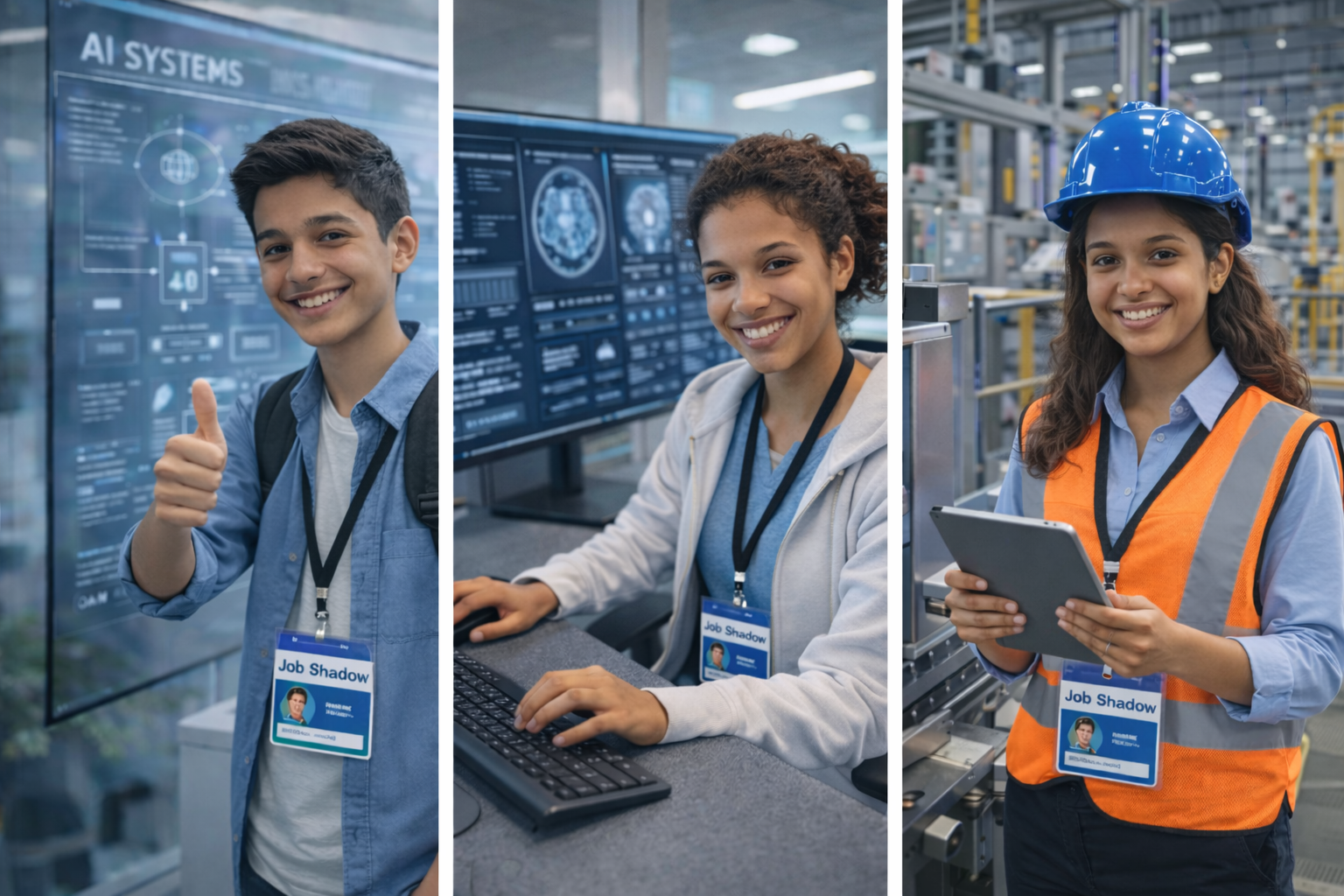
Early career awareness tied to real local and regional industries
-
Employability and leadership skill development alongside academics
-
Consistent employer engagement that is structured and sustainable
-
Clear pathways from education to postsecondary training and employment
-
Equity-focused access to opportunity and mobility
This approach allows students to move from awareness to readiness with intention, while giving employers and workforce systems clarity and continuity.
Value for Chambers of Commerce
For chambers, talent pipeline development becomes an economic growth strategy rather than a side initiative.
Chambers benefit from:
-
Stronger connections between member businesses and local schools
-
A coordinated approach to workforce development across industries
-
Support for regional talent retention and economic mobility
-
A clear value proposition for member engagement
This positions chambers as conveners and leaders in long-term workforce sustainability.
Value for Workforce Boards and Systems
For workforce boards, alignment with education strengthens outcomes and reporting while reducing fragmentation.
Workforce systems benefit from:
-
Earlier engagement with emerging talent and opportunity youth
-
Stronger employability skill development aligned to workforce indicators
-
Clear documentation supporting performance, compliance, and funding
-
Better coordination between youth, education, and employer services
This approach supports career pathways, sector strategies, and equity goals without creating parallel systems.
Value for Industry and Employers
For employers, talent pipelines provide a proactive alternative to reactive hiring.
Industry partners benefit from:
-
Early exposure to future talent aligned with operational needs
-
Reduced onboarding and turnover costs over time
-
Talent better prepared for workplace expectations and culture
-
Meaningful engagement that supports workforce stability
This is workforce investment with long-term return, not short-term recruitment.
Measurable Outcomes That Matter
Regimus partnerships are designed with accountability in mind. Outcomes may include:
-
Increased student participation in career-connected learning
-
Improved employability and readiness skill benchmarks
-
Stronger alignment between CTE pathways and workforce demand
-
Increased persistence across education and career pathways
-
Documented employer engagement tied to student outcomes
These indicators support continuous improvement, funding alignment, and shared accountability across partners.
Built for Sustainability and Scale
Talent pipelines that last are built to grow with the community. Regimus helps partners establish repeatable, adaptable frameworks that evolve with workforce needs rather than resetting each year.
The result is a shared system that supports students, strengthens employers, and advances regional prosperity.
The Bottom Line
Hiring challenges do not begin at the point of hire. They begin earlier, where education, workforce systems, and industry either align—or don’t.
When they align with intention, classrooms connect to careers, and talent pipelines are built to last.
- Share on Facebook (Opens in new window) Facebook
- Share on X (Opens in new window) X
- Share on Pinterest (Opens in new window) Pinterest
- Share on Tumblr (Opens in new window) Tumblr
- Share on Telegram (Opens in new window) Telegram
- Share on Threads (Opens in new window) Threads
- Share on Bluesky (Opens in new window) Bluesky
- Share on LinkedIn (Opens in new window) LinkedIn
- Share on WhatsApp (Opens in new window) WhatsApp






You must be logged in to post a comment.