
Community colleges, universities, and technical institutions are facing a once-in-a-generation shift. Artificial intelligence is reshaping the labor market faster than most postsecondary systems can adapt.
Traditional degrees are being questioned. Short-term and non-credit training is exploding. Employers are prioritizing demonstrated skills over paper credentials.
Research from the World Economic Forum, OECD, and McKinsey points to the same conclusion: future workers will need more than technical skills. They will need critical thinking, adaptability, ethical judgment, and the ability to solve problems in AI-supported environments.
In this landscape, alignment is not optional. It is survival.
Postsecondary institutions that work hand-in-hand with K–12 schools, industry, and workforce leaders will be the ones that meet regional talent needs, attract learners, and stay relevant.
The Hidden Crisis: Youth, AI, and Thinking Skills
AI is not just changing jobs. It is changing how young people think, learn, and make decisions.
Emerging research highlights several risks:
• Over-reliance on AI tools can weaken independent reasoning if students are not taught how to question results.
• Automation reduces opportunities for productive struggle, which is how deep learning and resilience are built.
• Biased or flawed algorithms require human judgment, not blind trust.
• Many students lack training in evaluating sources, checking logic, and understanding how systems shape outcomes.
AI makes critical thinking more important, not less.
Without intentional design, students may become fast tool-users who struggle to reason, evaluate, or lead.
Three Challenges Facing Postsecondary Institutions
1. Misaligned programs
Many programs are not built for AI-influenced careers. They teach static skills while employers need people who can adapt, analyze, and collaborate with intelligent systems.
Students often graduate with knowledge that is already outdated.
2. Siloed systems
Colleges frequently operate apart from K–12 districts, economic developers, and chambers of commerce. This breaks the talent pipeline and leaves students disconnected from real labor market needs.
3. Limited agility
AI evolves quickly, but institutions move slowly. Long approval cycles make it hard to launch short-term credentials, stackable pathways, and tech partnerships in time to meet demand.
4. Weak integration of thinking skills
Too many programs teach tools without teaching judgment. Students learn how to use software but not how to question outputs, detect bias, or make sound decisions in automated environments.
What Alignment Looks Like in Practice
Co-design AI-integrated programs
Partner with employers to build programs around data literacy, automation awareness, ethical reasoning, and real-world problem-solving across healthcare, logistics, manufacturing, education, and business.
Build thinking into technology
Teach students how to:
• Question AI results
• Check for bias and error
• Combine human judgment with machine output
• Solve complex problems
AI literacy must include reasoning, not just usage.
Partner with K–12 early
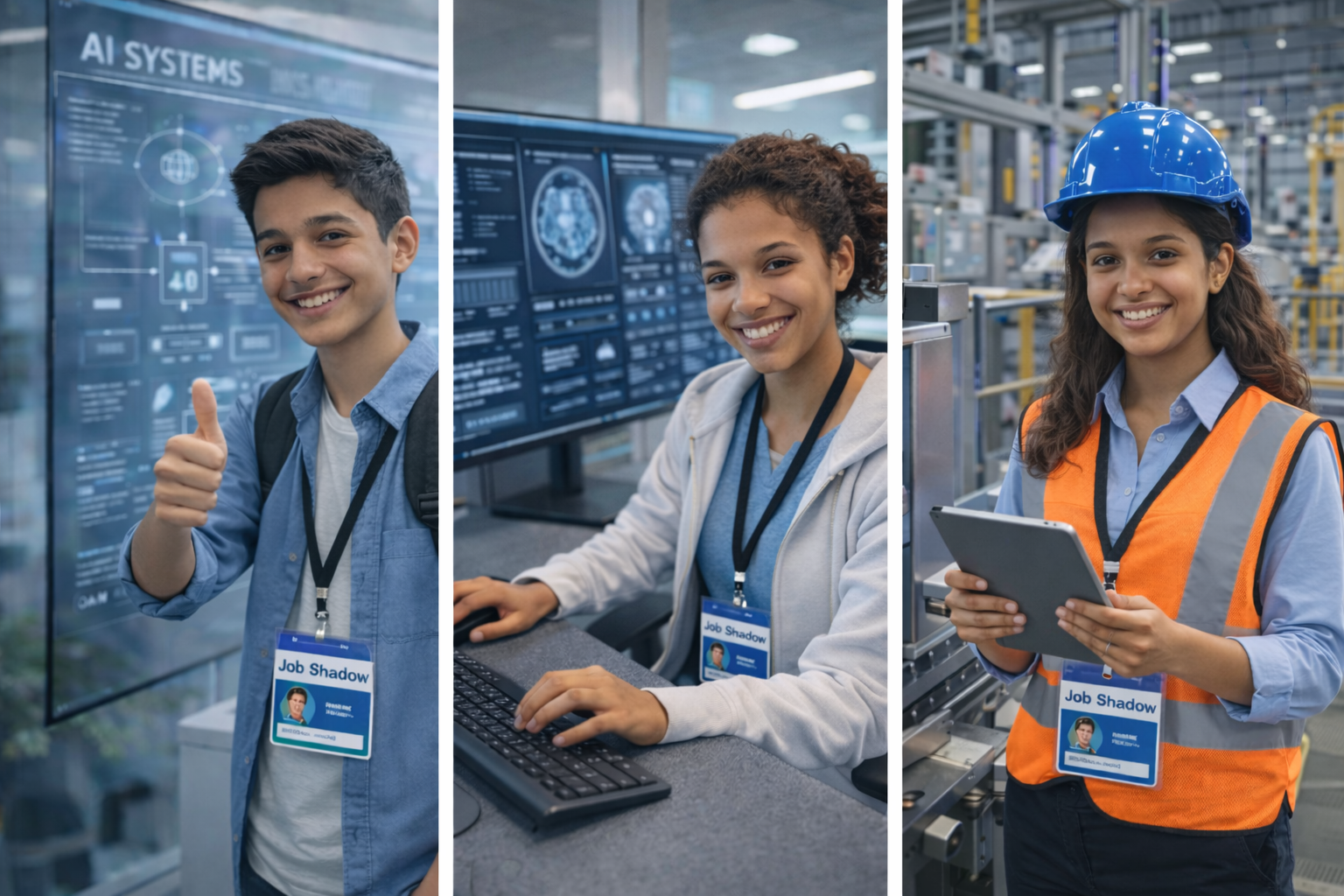
Give students early exposure to AI concepts, career pathways, microcredentials, and digital reasoning skills that stack into long-term outcomes.
Support working learners
Create flexible and accelerated pathways so adults can reskill into AI-influenced roles without leaving the workforce.
How Regimus Bridges the Gaps
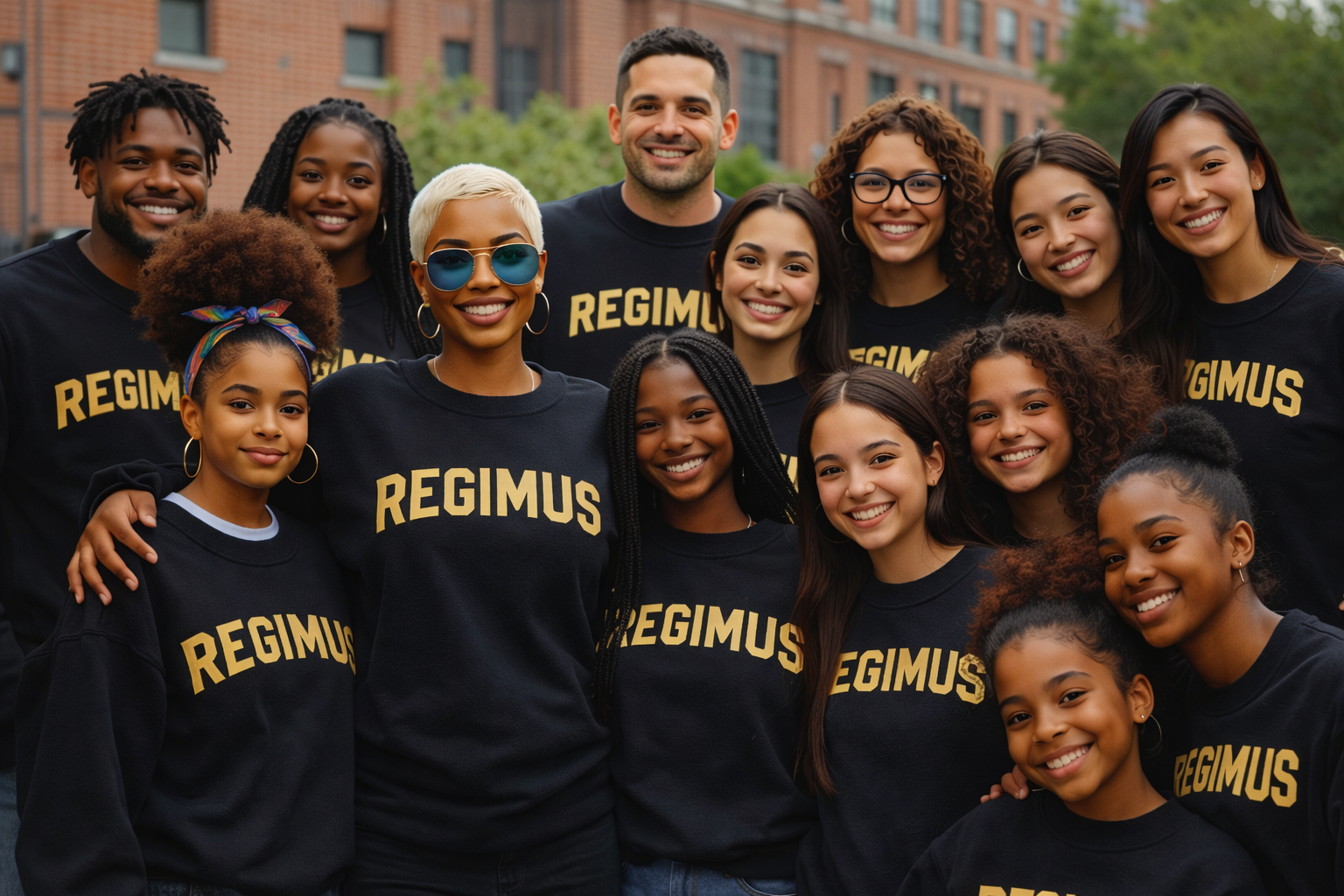
Regimus partners with colleges and workforce agencies to:
• Map regional AI demand across industries
• Co-develop credentials aligned with employer needs
• Train faculty to integrate AI fluency and critical thinking
• Embed ethical reasoning into technical programs
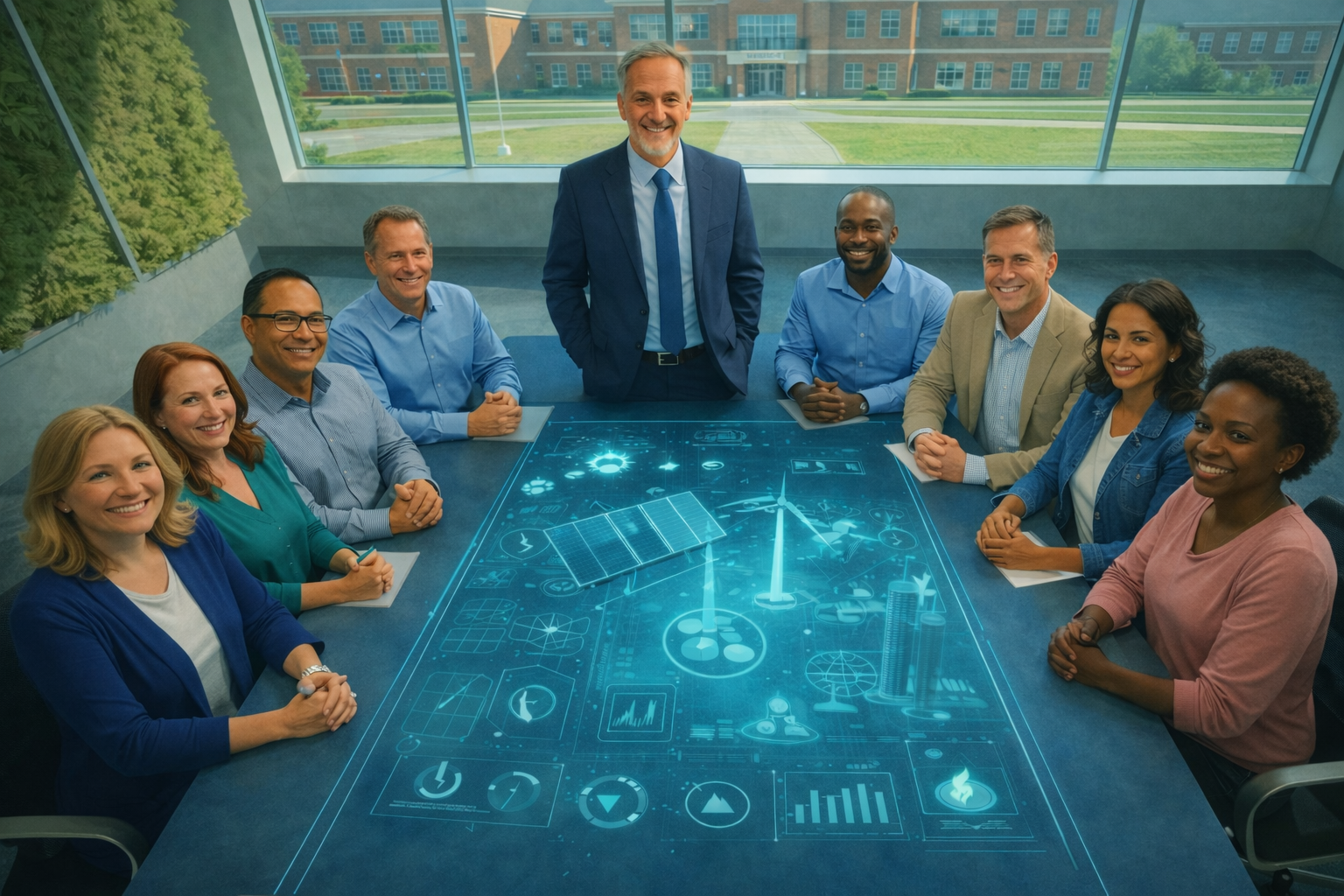
• Connect K–12, postsecondary, and industry leaders into one pipeline
We prepare learners who can think, adapt, and lead in AI-shaped environments, not just operate tools.
“Postsecondary education must move from the center of the system to the center of the solution. That means thinking beyond the classroom and across the region.”
— LeaVonda Robinson, CEO, RegimusOnline.com
The Bottom Line
AI is forcing a reinvention of what it means to be workforce-ready.
The future belongs to institutions that teach:
• Skills
• Judgment
• Ethics
• Critical thinking
• Adaptability
Postsecondary systems that embrace alignment, agility, and human-centered intelligence will not only survive. They will lead.
To explore how Regimus supports regional postsecondary transformation, visit www.RegimusOnline.com or email [email protected].
- Share on Facebook (Opens in new window) Facebook
- Share on X (Opens in new window) X
- Share on Pinterest (Opens in new window) Pinterest
- Share on Tumblr (Opens in new window) Tumblr
- Share on Telegram (Opens in new window) Telegram
- Share on Threads (Opens in new window) Threads
- Share on Bluesky (Opens in new window) Bluesky
- Share on LinkedIn (Opens in new window) LinkedIn
- Share on WhatsApp (Opens in new window) WhatsApp